

A great Hawaii home can turn a multigenerational trip from a scheduling exercise into actual family time. When grandparents, parents, teens, and younger kids all stay under one roof, the right property cuts friction around sleep, meals, mobility, and privacy. That is the core problem these homes solve: most beautiful vacation rentals are designed for couples or small groups, not three generations moving at different speeds. If you choose well, one home can give you both togetherness and breathing room, which is exactly what family reunions need.
What makes a Hawaii home ideal for multigenerational family travel?
The best Hawaii homes solve two problems at once: crowding and logistics. In Waikoloa and Wailea, strong multigenerational properties combine private suites, large kitchens, and easy access to beaches or shops, so grandparents, parents, and kids can share one base without constant compromise.
You want more than a high guest count. A common mistake is assuming “sleeps 16” means “works well for 16.” It often just means extra sofa beds or cramped bedroom pairings. For three generations, the stronger signal is layout.
Look for homes with separate bedroom wings, at least one main-level suite, two or more gathering areas, and outdoor space that actually functions as a second living room. In luxury rentals, a near one-bath-per-bedroom ratio is often the difference between calm mornings and a line outside the hallway bath.
Kitchen capacity matters too. If your group plans breakfasts at home, you need enough refrigeration, prep space, seating, and dishwashing power for real use, not just staged photos. Homes with dual dining areas, a lanai table, or two dishwashers tend to handle large family routines much better.
Which Hawaii island is best for a multigenerational vacation home?
The Big Island and Maui fit most mixed-age groups best, but Oahu and Kauai can win for specific travel styles. Waikoloa and Wailea make logistics easy, while Princeville and Honolulu suit families who care more about scenery or city access than poolside downtime.
The Big Island works especially well when your group values space, newer gated communities, and easy parking. The Kohala Coast, including Waikoloa and Mauna Lani, gives you large villas, calmer routines, and a strong mix of beach access, golf, dining, and walkability. Travel time from Ellison Onizuka Kona International Airport is manageable for older travelers and families with kids.
Maui is strong when you want polished beach time and a more compact luxury experience. Wailea gives you excellent weather, swimmable beaches, and high-end services, though inventory of very large homes is tighter.
Oahu is the better pick if your group wants city access, dining variety, Pearl Harbor, or day tours with less driving. The trade-off is that large private homes in top areas can be less private or more regulated.
Kauai is best for families that want scenery, slower pacing, and a residential feel. The trade-off is weather variability and fewer large luxury options near walkable retail.
If your grandparents prefer minimal transfers and your group wants one home where people can come and go easily, the Big Island usually gives you the best balance.
What are the top Hawaii homes for multigenerational trips?
Several Hawaii homes stand out, but a few properties repeatedly match the needs of large family groups. The Kanini Estate and Wailea Beach Villas are strong benchmarks because they pair real gathering space with enough sleeping capacity to keep three generations comfortable.
Here are several top picks based on layout, capacity, amenities, and location fit for mixed-age groups:
-
The Kanini Estate, Waikoloa, Big Island: Sleeps up to 16 with eight king beds and seven full baths, plus a pool, hot tub, game room, gym, chef’s kitchen, gated setting, and walkable access to beaches, shops, and restaurants. For reunions or executive family trips, it checks nearly every box without feeling hotel-like.
-
Wailea Beach Villas Luxury Condo, Maui: Up to 16 guests, roughly 3,300 square feet, two primary suites, ocean views, and direct access to Wailea Beach. This is a strong fit if your family wants resort polish with condo convenience.
-
Hawaiian Hibiscus Home, Poipu, Kauai: Five bedrooms, up to 13 guests, private heated pool, hot tub, two kitchens, and over 2,000 square feet of lanai space. Two kitchens are a bigger advantage than many families realize.
-
Oceanview Mauna Kea Luxury Villa, Big Island: Three bedrooms, up to 10 guests, with wheelchair-friendly design, no-step features, and access to Mauna Kea resort amenities. This is one of the better accessibility-focused options.
-
Panoramic Ocean Views Luxury Estate, Holualoa Village, Big Island: Five bedrooms, up to 16 guests, [chef’s kitchen], pool, hot tub, and a main-level mother-in-law suite. Good for larger groups who want Kona access and sunset views.
-
Modern Hawaiian Barefoot Luxury, Honolulu, Oahu: Four bedrooms, up to 12 guests, open-air architecture, dual lounges, and strong indoor-outdoor flow near Diamond Head. Best if your group wants Oahu culture and dining as much as beach time.
How do you match bedroom layout and privacy zones to your family?
Start with sleep zones, not square footage. A Waikoloa villa or Poipu estate can look huge online yet still fail if grandparents are upstairs, kids are far from parents, or seven bathrooms are shared by 16 guests.
Step 1: Map your family by routine, not age alone. Grandparents may need quiet mornings and fewer stairs. Parents with toddlers need nearby bedrooms. Teens usually want a separate lounge or game area more than they want a larger bedroom.
Step 2: Check where the bathrooms are. A pro tip here is simple: count nighttime convenience, not just total baths. If one generation has to cross a main living area at 2 a.m., the layout is weaker than it looks in photos.
Step 3: Ask for a floor plan. If a host cannot clearly explain which rooms are on which level, where the main entrance is, and how outdoor areas connect, you are booking with incomplete information. Floor plans often reveal noise issues that photos hide.
Homes that work best for multigenerational travel usually create at least three usable zones: sleeping space, a main gathering core, and a secondary retreat area.
Is a private Hawaii villa or a resort better for multigenerational groups?
A private villa usually beats a resort when your group has eight or more people. On the Big Island, The Kanini Estate gives you shared space and privacy, while resorts like Mauna Kea or Four Seasons trade that privacy for staffed amenities.
If your family wants to eat together, let kids nap nearby, and keep grandparents close without booking four separate rooms, a villa is often the better tool. You get one kitchen, one pool schedule, one gathering place, and no daily elevator or hallway logistics.
A resort wins when your group will split up all day and mainly reconvene for dinner. Resorts also help if you want kids’ clubs, spa access, or daily on-site dining without advance planning.
The trade-off is cost structure. Villas can look expensive upfront, but per-person value often improves fast for groups of 10 to 16. Resorts can appear easier, yet separate rooms, valet, daily meals, and activity coordination add up quickly.
A common misconception is that villas feel less serviced. In reality, many luxury homes offer housekeeping, concierge help, grocery pre-stocking, and private chef options.
How do you verify accessibility, pool safety, and walkability before booking?
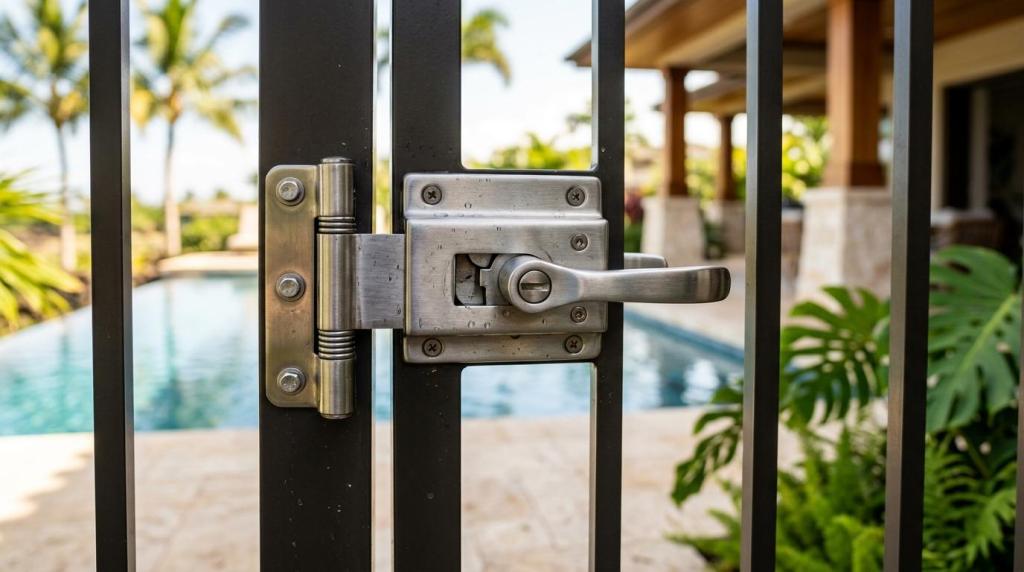
Never assume a listing labeled “family-friendly” is safe or accessible. Hawaii pool barriers typically need a 48-inch minimum height with self-closing gates, and Mauna Kea examples show that true accessibility depends on no-step entries, ramp access, and bathroom layout.
Step 1: Request exact mobility details. Ask about stair counts, entry thresholds, shower type, hallway width, and whether any bedroom and full bath sit on the main level. “Accessible” is often used loosely.
Step 2: Review pool and outdoor safety. Ask whether the pool is fenced, alarmed, or separately gated, and whether the path from house to pool is level. If you are traveling with toddlers, this is not a minor detail.
Step 3: Measure walkability honestly. A listing may say “walk to beach,” but a 12-minute walk in heat over uneven ground is very different for a grandparent using a cane. Ask for minutes, terrain, and whether sidewalks exist.
The best homes answer these questions quickly and specifically. If the replies stay vague, move on.
Why do lanais, secondary lounges, and indoor-outdoor design matter in Hawaii homes?
Indoor-outdoor design is not just aesthetic in Hawaii; it changes how your group uses the home. In Waikoloa and Poipu, lanais, pocket doors, and secondary lounges let loud and quiet activities happen at the same time without everyone feeling split up.
This is where Hawaii homes can outperform standard mainland rentals. A deep covered lanai can function as breakfast room, cocktail space, game table, and shaded retreat in one day. When it connects directly to the kitchen and pool, different generations naturally overlap without being forced together.
Secondary lounges matter just as much. If grandparents want to read while teens watch a game and kids play nearby, one large great room is not enough. You want separate but connected zones.
The misconception here is that open concept always means better. It helps only when the home also includes acoustic relief, bedroom distance, and at least one quiet retreat.
How do you plan meals and daily rhythms for three generations?
The best multigenerational trips run on light structure, not constant group consensus. In Waikoloa and Ko Olina, homes with full kitchens and walkable beaches work best when you plan one anchor meal, one shared outing, and plenty of optional downtime.
Step 1: Pick one non-negotiable together time each day. Breakfast or dinner usually works best. If you try to organize every hour, someone will feel dragged along or left behind.
Step 2: Build in split-track afternoons. Younger kids may nap, teens may want the pool, and grandparents may prefer shade or a scenic drive. A good home supports all three at once.
Step 3: Decide early which meals are cooked, catered, or eaten out. This avoids the classic large-group problem where five adults assume someone else made a plan. Homes with BBQs, coffee bars, and stocked kitchens make flexible dining much easier.
A smart pro move is grocery pre-stocking on arrival day. It saves the first evening from turning into a supply run.
Which amenities matter most by age group in a Hawaii family home?
The right amenities are age-specific, not generic. A Peloton or game room matters in a house like The Kanini Estate, while a no-step shower, nearby beach path, and extra refrigerator space matter just as much for grandparents and parents.
The best amenity mix usually looks like this:
- For grandparents: Main-level suite, walk-in shower, quiet seating area
- For parents: Laundry, full kitchen, easy sightlines to pool or yard
- For teens: Strong Wi-Fi, game room, secondary lounge, gym access
- For young kids: Safe outdoor space, shallow beach options, simple bedroom proximity
Two features are often underrated. First, an extra refrigerator or beverage fridge can keep a large family organized. Second, daily housekeeping can lower friction more than any flashy add-on, especially on stays longer than four nights.
When should you book top Hawaii homes for holidays, reunions, and peak season?
Book large Hawaii homes earlier than you think, especially for Christmas, New Year’s, spring break, and summer reunion weeks. On Maui and the Big Island, five-plus-bedroom homes are a limited inventory category, so your best-fit options disappear months ahead of flights.
For major holiday periods, starting 9 to 12 months out is sensible. For summer, six months is often workable, though the highest-performing homes go earlier. Shoulder seasons can offer more flexibility, lower rates, and easier flight patterns.
If your group needs eight bedrooms, wheelchair access, or a gated walkable location, start even earlier. Those are narrow filters, and Hawaii does not have endless inventory in that segment.
One last misconception: waiting for a last-minute luxury deal rarely works for multigenerational travel. It can work for couples. It usually fails for 10 to 16 people who need specific layout, safety, and location features. The earlier you book, the more likely you are to secure a home that fits your family rather than forcing your family to adapt to the home.