

Privacy changes the entire Big Island experience. The right vacation home can turn a busy island stay into a calm, low-friction retreat where families, friend groups, or executive teams share time together without sharing every space. That matters because the main problem luxury travelers face is not finding a beautiful home. It is finding one that truly protects quiet, sightlines, and personal space while still keeping beaches, dining, and activities within reach.
What makes a Big Island vacation home truly private?
True privacy is measurable on Hawaiʻi Island. In Waikoloa or Kona, the best homes combine gated access, protected sightlines, bedroom separation, and outdoor areas that are screened from roads and neighboring lanais.
A listing can show an oceanfront pool and still feel exposed. Real privacy usually comes from four layers working together: location, lot shape, landscape buffer, and interior zoning. A home on a large parcel or inside a low-density gated enclave usually performs better than a house packed into a resort row.
A common mistake is equating oceanfront with secluded. Oceanfront homes can attract foot traffic, shoreline views, and more wind exposure. If the pool or lanai faces a path, then the view is strong but the privacy may be only moderate. If the home has side screening, setback depth, and separated bedroom wings, then it usually feels far more exclusive in daily use.
Which parts of the Big Island are best for privacy?
The best privacy zones differ by use case. Kona and Holualoa often give larger lots near town, while Waikoloa and Mauna Lani pair gated planning with strong walkability to beaches, restaurants, and golf.
Kona side estates often win on land area. Homes above Kailua-Kona or in gated hillside communities may sit on 5 acres or more, which lowers neighbor noise and opens wider ocean views. The trade-off is drive time and less beach access on foot.
The Kohala Coast, including Waikoloa, Mauna Lani, and nearby enclaves, usually wins on controlled access and polished infrastructure. You may get less raw acreage, yet you gain better neighborhood spacing, cleaner beach logistics, and easier group movement. If your group wants both privacy and convenience, this coast often delivers the stronger balance.
Pro tip: if privacy matters more than nightlife, choose distance from event hubs. Kona can feel busier during Ironman and holiday periods, while quieter gated communities north of town often hold their calm better.
What are the top Big Island vacation homes with privacy?
The strongest private homes combine physical buffers, smart layouts, and enough amenities that guests do not need to leave often. Based on published layouts, pricing, and privacy features, these stand out across Kona and the Kohala Coast.
-
The Kanini Estate, Waikoloa
Best for large groups that want privacy without giving up walkability. Its gated oceanfront setting, protected anchialine pond buffer, eight king beds, separate ohana wing, and private pool zone solve a hard problem: keeping up to 16 guests together without crowding. At roughly $1,000 to $1,500 per night, it also sits below many smaller luxury comparables. -
Kailua Kona Estate, Holualoa area
Best for land-driven seclusion. With about 9,452 square feet on 5 private acres and room for up to 16, this hilltop estate offers one of the clearest “private compound” profiles near Kona. The trade-off is that it feels more residential retreat than walk-to-beach villa. -
Pauoa Beach Oceanfront Villa, Mauna Lani
Best for travelers who want architectural privacy inside a premium enclave. Bedroom entries open to a courtyard, landscaping shields sightlines, and the property is set to preserve views without exposing the pool. Expect a higher nightly range, often around $2,500 to $4,000. -
Hale Kai Olu, Kona Bay Estates
Best for travelers who want oceanfront Kona access in a 24-hour gated neighborhood. Its 5,568-square-foot plan, side landscaping, and direct shoreline orientation create a calm feel minutes from town. -
Blue Lagoon, Champion Ridge at Mauna Lani
Best for groups who want a fully enclosed estate mood. Ten-foot gates, planted grounds, and separated wings create strong internal privacy, especially for mixed-age groups. -
Mele Kai, Kona
Best for travelers who want strong visual privacy right on the shoreline. The bluff-top setting and hidden mauka-side lap pool make this a good fit for guests who care more about secluded lounging than acreage.
How do you evaluate privacy before you book?
You can vet privacy before booking. Use Google Maps, the floor plan, and host Q&A to check exposure, not just décor or view shots.
Step 1 is to inspect the context. Look at satellite view and count adjacent roofs, roads, paths, and shared amenities. If the pool backs onto a golf hole, access lane, or shoreline trail, then expect visual exposure even if the listing says “private.”
Step 2 is to read the layout like an operator. Count how many bedrooms share walls, whether ensuites are attached, and where the common room sits. A strong standard for luxury group travel is close to one bathroom per bedroom, plus at least one separate wing or detached suite.
Step 3 is to verify what photos do not show. Ask whether the hot tub is visible from any neighboring lanai, whether quiet hours are enforced, and whether there are cameras facing common areas. Pro tip: wide-angle listing photos can make homes feel farther apart than they are. Ask for one exterior image from the property line or driveway if privacy is central to your trip.
How do private vacation homes compare with luxury resorts on the Big Island?
Private homes win on control. Resorts like Four Seasons Hualālai or Mauna Lani win on staffing density, but they cannot remove shared pools, public dining, and foot traffic.
If your group values quiet mornings, private meals, flexible dress, and exclusive pool time, a home usually beats a resort. The absence of elevators, crowded breakfast spaces, and neighboring room noise changes the rhythm of the trip. This is why multigenerational groups often prefer villas.
Resorts still have advantages. Daily housekeeping, spa access, and staffed recreation are easier to access, and service response is more standardized. Yet the trade-off is exposure. If your group wants to meet and reset without outside contact, a private villa is often the better answer. If your group is smaller, wants full-service convenience, and plans to stay out most of the day, a resort may be the cleaner fit.
A frequent misconception is that resort villas equal total privacy. Many are better than hotel rooms, but they can still sit near cart paths, beach clubs, or shared lawns.
How should large families or retreat groups choose the right private home?
Large groups need zoning first. In Waikoloa or Mauna Lani, the right home separates sleep, social, and work areas so the group can gather without constant overlap.
Step 1 is to ignore the “sleeps X” headline and check bed quality. Eight king beds are very different from a mix of bunks and sofa sleepers. If adults are sharing the home, then real bed count matters more than maximum occupancy.
Step 2 is to test circulation. A good group house lets early risers make coffee, swimmers use the pool, and children nap without everyone hearing everyone. Look for single-level plans, covered breezeways, or guest wings. Those features matter more than pure square footage.
Step 3 is to match amenities to behavior. Corporate retreats need strong Wi-Fi, multiple conversation zones, and space for private calls. Families need pool visibility, easy kitchen flow, and beach access. Pro tip: more bedrooms do not always mean more privacy. If all bedrooms open off one central hall beside the kitchen, the home may still feel busy.
Which design features protect privacy without sacrificing ocean views?
Good design creates controlled openness. Pocket doors, courtyards, and landscape buffers used at homes in Kona Bay Estates or Mauna Lani can preserve views while cutting sightlines and noise.
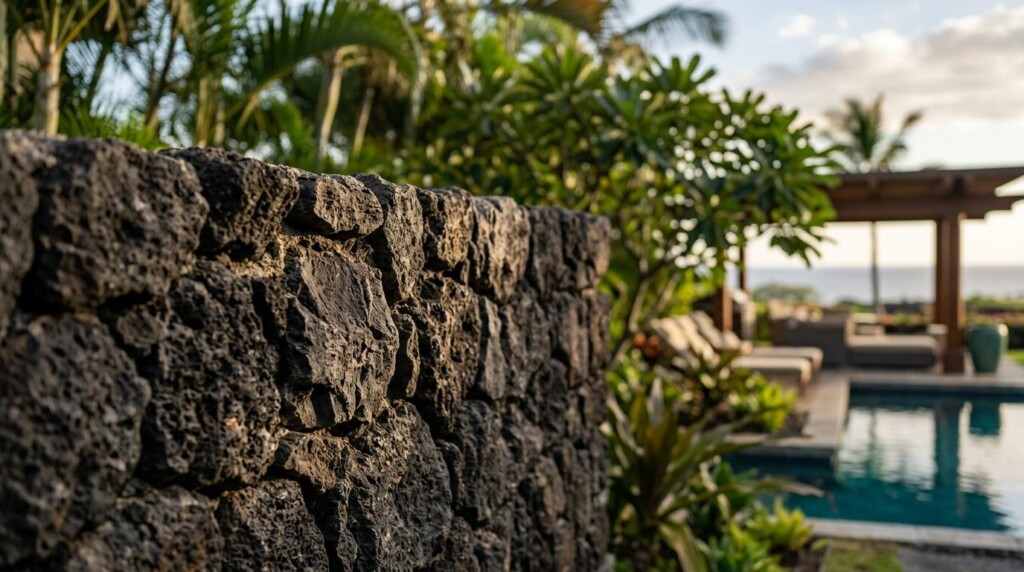
The strongest homes do not rely on one trick. They stack several privacy devices together. A lava-rock wall blocks low-angle views. Palms and plumeria soften side exposure. A courtyard pool places the active zone behind the home rather than in front of the ocean frontage. If bedroom suites open to separate outdoor pockets, then guests get quiet without losing the shared living experience.
There is a trade-off. Full glass walls and wide lanais maximize visual drama, but they can increase wind, heat, and visibility at night. That is why higher-end homes often use deep overhangs, retractable glass, and layered landscaping instead of open frontage alone.
A useful misconception to drop: privacy is not the opposite of openness. The best Hawaiian homes feel open because they control where openness happens.
How can you verify whether “private beach access” is actually private?
“Private beach access” rarely means a private beach. In Hawaiʻi, shoreline access rules make most beaches public, even when a home controls the nearest path or frontage approach.
Step 1 is to separate beach ownership from beach approach. A home may have a private gate, easement, or walkway to the sand. That can make the experience feel exclusive, but it does not usually mean other people are legally barred from the shoreline.
Step 2 is to inspect the map. If the property sits near a resort path, county access point, or shoreline trail, then beach traffic may be part of the day. If it fronts a cove or small stretch with no easy access nearby, then practical privacy may still be high.
Step 3 is to ask the host the right question: “How much foot traffic passes the home’s frontage between 8 a.m. and sunset?” That answer is often more useful than the phrase “private beach access.” Pro tip: if your group wants a truly secluded swim-and-lounge setup, a screened pool courtyard often beats even beautiful beachfront.
What amenities matter most when you want to stay on-property?
The best privacy amenity is self-sufficiency. Homes near Waikoloa Beach or Mauna Lani work best when the kitchen, fitness, and lounge setup reduce the need for shared public spaces.
When groups leave the property less, privacy rises. An in-home gym is not just a luxury line item. It prevents morning traffic to a shared facility. A stocked coffee bar reduces café runs. A chef-grade kitchen lowers the need for restaurant reservations at peak times.
- Pool placement: Rear courtyards and side-yard pools usually feel more private than front-edge pools facing roads or paths.
- Bedroom independence: King suites with ensuites and separated entries reduce friction for adult groups.
- Indoor recreation: A game room, media room, or gym keeps evening activity off exposed lanais.
- Service options: Grocery pre-stocking or private chef support can cut public touchpoints without locking guests into resort schedules.
If your group plans to spend most of the day on-site, these features matter more than one extra ocean-facing window.
When is the best time to book a private Big Island home?
Shoulder seasons usually give the best privacy-to-price ratio. April to early June and September to early November often bring lower rates, lighter demand, and easier access to premium homes in Waikoloa, Kona, and Mauna Lani.
Peak demand compresses choice fast. Christmas, New Year’s, spring break, and midsummer family weeks often require booking 6 to 12 months out for top-tier homes. Whale season can lift demand on the Kohala Coast, while major Kona events can tighten inventory even for homes outside town.
If your priority is privacy first, then book around crowd cycles, not just weather. The Big Island stays warm year-round, so timing is more about demand pressure than temperature swings.
- April to early June
- September to early November
- Avoid Christmas and New Year’s
- Avoid Ironman week if staying near Kona
- Book 6 to 12 months ahead for top estates
A final pro tip: if two homes look similar online, choose the one with stronger buffers and better bedroom zoning over the one with the slightly better sunset angle. Guests remember how a home lives, not only how it photographs.