
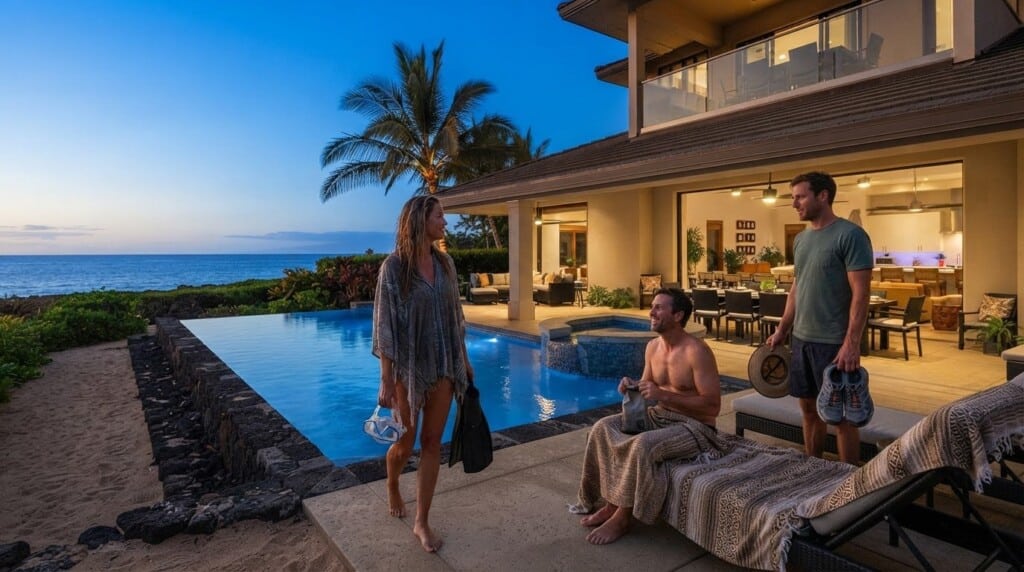

The most beautiful island isn’t automatically the best fit for your group. Learning how to choose the right island for your group means comparing the whole trip: shared accommodation and travel costs, activities, planning needs, and whether the setting suits everyone.
It’s easy to focus on the views or the trip’s headline activity. But a destination that delights one traveler may feel tiring or limiting to another, especially when the group has different interests, energy levels, and budgets.
A thoughtful choice balances together time with room to unwind. This guide walks through the practical details to weigh, from shared expenses and island activities to group size, logistics, and the people traveling, so you can find a place that feels right for the whole group.
Key Takeaways
- Compare the full shared cost of a trip, including accommodation, transport, meals, and activities, before settling on an island.
- Choose a destination with options for different interests, and leave space in the itinerary for quiet time.
- Share planning tasks and keep trip details in one place to make group decisions easier.
- Match the island to your travelers’ needs, group size, budget, and preferred pace.
- Consider the Big Island of Hawaii for a group escape, time with loved ones, or a focused corporate retreat at The Kanini Estate.
Accommodation costs and shared expenses
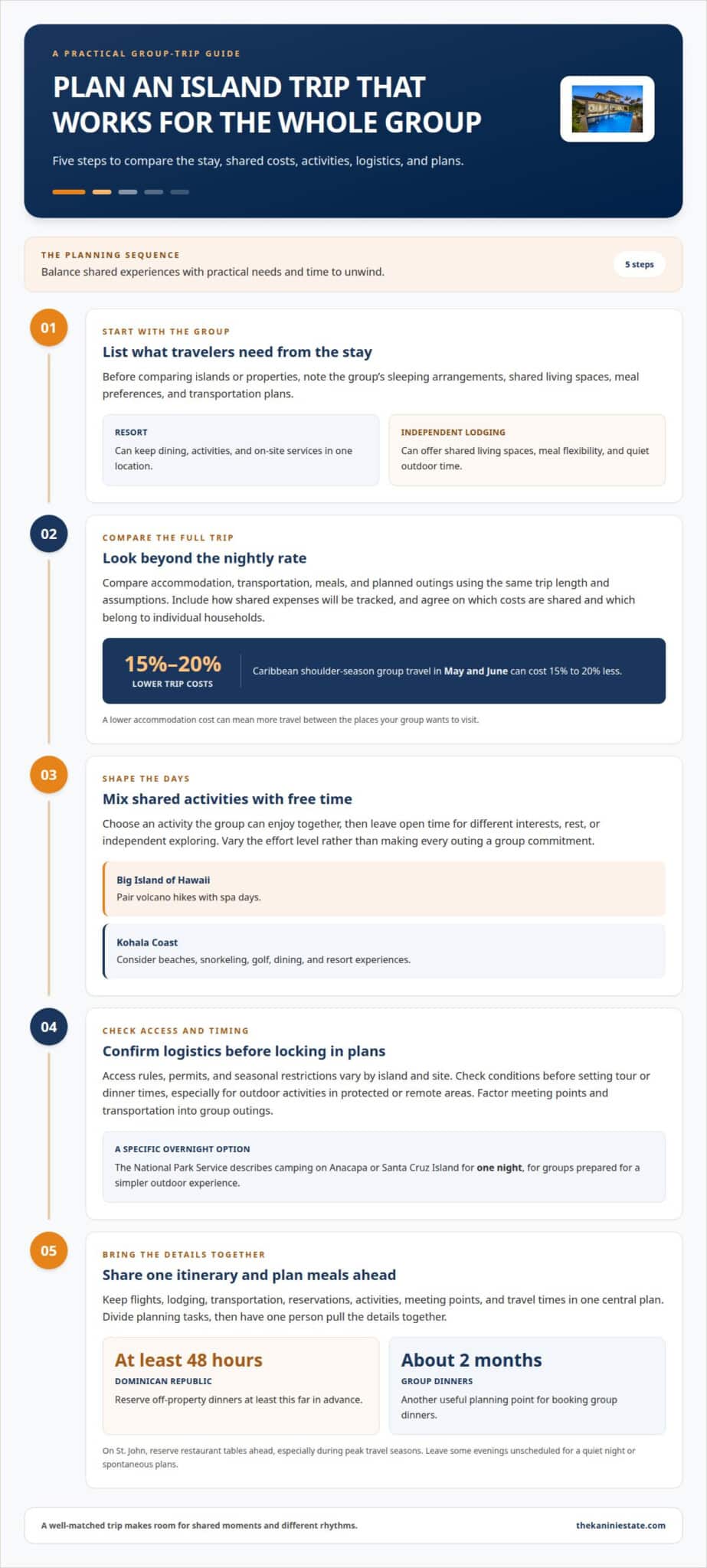
Start with the group’s overall needs, then compare the full stay rather than the nightly rate alone. A resort can put dining and activities in one location. Independent lodging may offer shared living spaces and more control over meals. Either way, include transportation, meals, and planned outings when estimating the total. Lower accommodation costs can mean more travel between the places your group wants to visit.
Choose a resort island if your group values convenient access to dining, activities, and on-site services. Independent lodging can suit groups who want a private home base, flexible meal plans, or quiet outdoor time. The right fit depends on how much time you want to spend together and how much independence travelers need. Couples, for example, may prefer private spaces, while friends may prioritize a generous common area.
Before choosing, list the group’s practical needs: sleeping arrangements, shared living spaces, meal preferences, and transportation plans. Then compare each accommodation against that list. A property with a kitchen may help the group plan meals together; a resort may suit travelers who prefer dining on-site. For mixed routines, look for a layout where people can gather comfortably and retreat for quiet time.
Flexible lodging can balance shared time and privacy without splitting the group across distant locations. Look for common areas where everyone can gather, along with enough private space for couples or family units. On the Channel Islands, the National Park Service describes another kind of overnight stay: camping on Anacapa or Santa Cruz Island for one night. This suits groups prepared for a simpler outdoor experience.
Finally, compare timing as well as lodging style. Caribbean shoulder-season group travel in May and June can cost 15% to 20% less. That difference may help a group weigh its preferred dates against accommodation choices and shared expenses. Keep the comparison consistent: consider the same trip length, transportation needs, and dining approach for each island. This makes trade-offs clearer and helps the group choose a stay that matches its budget and comfort.
For groups considering Turks and Caicos, a villa with space for larger groups is a common choice. Treat that as a starting point, not an automatic fit: check whether the sleeping arrangements suit the travelers and whether the shared rooms fit their routines. Account for cleaning, meal preparation, and transportation needs when comparing the total cost.
Before agreeing, decide how to handle shared expenses. Identify which costs everyone shares and which belong to individual households, then choose a way to track payments. This helps prevent a low headline rate from obscuring expenses that matter to the trip. Agree on priorities, too: some travelers may value common space, while others may care more about private rooms or control over meals. If a villa doesn’t comfortably meet those priorities, compare alternatives using the same trip length and assumptions. A clear comparison shows both what the accommodation costs and how well it supports the way everyone wants to travel.
Island-specific group activities and nightlife
A good group itinerary gives everyone something to look forward to. On Hawaii’s Big Island, travelers can pair volcano hikes with spa days, while the Kohala Coast offers beaches, snorkeling, golf, dining, and resort experiences. Choose one shared activity, then leave open time for separate interests. That balance keeps the day from feeling like a schedule everyone must follow.
Plan around the island’s character, not a generic list of tours. A beach-focused day suits travelers drawn to swimming and snorkeling, while a volcano hike offers a different pace and landscape. Choose activities with varying levels of effort, and avoid making every outing a group commitment. Everyone might share a morning excursion, then use the afternoon to rest or explore independently.
Access rules, permits, and seasonal restrictions vary by island and site, shaping where groups can go and when. Check access conditions while planning the itinerary, before setting tour or dinner times, especially for outdoor activities in protected or remote areas.
For group tours, consider how meeting points and transportation affect convenience. A guided outing can simplify logistics when travelers want to explore together, while a flexible beach day accommodates different rhythms. On St. John, reserve restaurant tables ahead, especially during peak travel seasons. This gives the group a clear evening plan without scheduling every hour.
Dinners need their own planning window. For groups visiting the Dominican Republic, reserve off-property dinners at least 48 hours in advance. Another useful planning point is to book group dinners about two months ahead. These timelines make meals easier to coordinate, particularly when everyone wants to dine together. Keep some evenings unscheduled, too, so the group can choose a quiet night or a spontaneous outing.
Nightlife should match the group’s preferred pace, not become a nightly obligation. Set aside an evening for shared dining or local entertainment, then leave room for travelers who prefer an early night. Compare evening options with daytime activities and the group’s transportation plan. A destination works best when lively shared moments and restorative downtime both fit the itinerary.
Advance planning and shared itineraries
A smooth island vacation starts with one shared plan, not scattered messages. Create a central itinerary for flights, lodging, transportation, reservations, and activities. Add meeting points and travel times. A beach outing, for instance, may need a different departure plan from a town dinner. A clear schedule lets friends enjoy the getaway without last-minute decisions each day.
Delegate planning by task, then give one person responsibility for pulling the details together. One traveler can track flights and arrival plans, while another gathers activity preferences. A third can coordinate dinner reservations and dietary needs. Knowing how to choose the right island for your group also means hearing these priorities before settling on a destination. Keep decisions visible so everyone knows what’s settled and what remains flexible.
Use a shared trip-planning app or document as the group’s single source of truth. Include confirmation details, addresses, transportation notes, and the day’s plan. Add a brief note when plans change, such as a delayed arrival or new meeting point. A shared itinerary helps independent explorers find the group later. Choose a format everyone can access on a phone.
Island travel can involve limited transportation, changing weather, or activities that require advance reservations. Avoid building a tight schedule around several distant stops. Instead, group plans by area and leave breathing room. For example, pair a nearby outing with a relaxed meal rather than crossing the island twice in one day. Keep essential booking details available offline in case mobile service is limited.
A good group trip planner listens before filling the calendar. They gather priorities, identify fixed reservations, and leave open periods for rest or spontaneous plans. When preferences overlap, they can present clear choices, such as a guided outing or a free afternoon. This practical approach keeps planning focused while preserving the island’s atmosphere and each traveler’s ease.
Before departure, review the shared itinerary together. Confirm arrival details, reservation names, meeting locations, and who holds each confirmation. Keep backup plans simple, such as choosing an indoor activity if weather disrupts an outdoor plan. As you decide how to choose the right island for your group, make sure the schedule allows for different routines and a comfortable pace. A thoughtful plan leaves room for unhurried moments.
Choosing an island based on who is traveling
Start with the travelers’ needs, then match the island and lodging layout to them. A family with varied ages may value comfortable shared spaces and easy outings, while friends seeking luxury may prefer a slower, more private stay. For each traveler, note mobility needs, preferred pace, and important booking details before comparing destinations.
Weather, crowds, and outdoor conditions vary by island and season. Compare expected seasonal patterns with the group’s preferred activities, such as beach days or hikes on Hawaii’s Big Island. Choose dates and plans that suit travelers’ comfort rather than assuming every island has the same conditions.
Flights and ferry connections depend on the island and route; schedules and fares also vary by date and onward transportation. Some itineraries rely on air travel, while ferry service applies only where routes operate. Compare the full journey, including transfers, before choosing an island, and leave flexibility for connections.
Whether Caribbean travel is possible without a passport depends on travelers’ citizenship, destination, and itinerary, including transit points. Don’t assume one island’s entry requirements apply to another. Before booking, make sure each traveler’s documents suit the route. Review travel insurance as a group, comparing coverage for cancellation, medical needs, and trip interruption against the planned activities and travel.
Accessibility, health, and safety needs can shape the right destination. Consider the lodging layout, terrain, transport, and distance to services relevant to the group. A traveler with limited mobility, for example, may need step-free access and shorter journeys, while someone with ongoing health needs may prioritize convenient access to care. Factor these needs in before selecting activities.
On Hawaii’s Kohala Coast, groups can choose among beaches, snorkeling, golf, dining, and resort experiences. This range can suit travelers with different interests, while a shared outing gives everyone time together. Compare the group’s preferred pace with transportation between activities, and choose a comfortable base that makes the daily itinerary practical.
Finally, coordinate bookings around the travelers themselves. Gather arrival details, mobility considerations, and activity preferences before committing to shared plans. A beautiful island is a better fit when its travel connections, accommodation, and daily rhythm work for the whole group.
Comparing islands by group size, budget, and travel style
Compare Aruba, Bonaire, and Curaçao against the same group priorities. Consider preferred experiences, lodging layout, amenities, transportation, dining, and activities. Weigh these details against your group’s budget and pace. A practical way to think about how to choose the right island for your group is to compare what each destination makes easy for your travelers, rather than relying on broad assumptions.
Group size affects which spaces make a stay comfortable. A larger group may need generous shared living areas and room for different routines. A smaller group might prefer a compact layout near its chosen activities. Match the accommodation to the travelers, including couples who value privacy and friends who want room to gather.
Compare the complete trip cost, not only accommodation. Include flights, ground transportation, meals, activities, resort fees, airport departure taxes, and mandatory gratuities. These extras can increase a Caribbean group budget by 20%. Travelers should add a $150 buffer to each estimated group-travel cost for inflation, tips, and airport-transfer surge pricing.
Next, compare travel styles. Keep Aruba, Bonaire, and Curaçao on the shortlist while weighing the group’s preferred balance of beach time, adventure, dining, and downtime. Consider how planned activities fit with transportation and daily schedules. The best match is the island whose overall rhythm suits the travelers, not simply the one with the longest list of amenities.
Shared dining spaces matter when travelers plan to cook together. In a compact kitchen, allow at least 36 inches for general passage and a 42-inch work aisle for one cook. If several people will cook, plan for a 48-inch aisle. These clearances help meal preparation flow, even in smaller spaces.
For seated dining, fit the arrangement to the counter and available floor space. At a 36-inch counter, allow 24 inches of width and 15 inches of depth per seated person. Behind guests, allow 32 inches when no one needs to pass, 36 inches for edging past, or 44 inches for normal walking traffic. The NKBA recommends a continuous preparation area at least 36 inches wide and 24 inches deep.
Ultimately, how to choose the right island for your group comes down to balancing practical costs with the experiences everyone hopes to share. Groups drawn to adventure may prioritize activity access; travelers seeking a quieter getaway may value comfortable shared spaces. Compare destinations using the same priorities, then choose the one that best fits your group’s size, budget, and preferred pace.
The Kanini Estate: Luxury vacation rental on the Big Island of Hawaii
The Kanini Estate is a luxury vacation rental on the Big Island of Hawaii for time with friends and family, an escape to paradise, or a high-quality, distraction-free corporate retreat. Located in the gated, oceanfront community of Naupaka at Waikoloa, the villa offers ocean, sunrise, and sunset views. It’s a private place for groups to gather, pause, and enjoy the island together.
For friends and family, the setting brings shared leisure close at hand. Guests can enjoy a private pool and hot tub, a gym, a game room, and beach access from a gated community. These amenities give travelers room to shape their days. Some can spend time outdoors, while others relax or gather in the game room.
The Big Island setting suits groups who want to balance time together with quieter moments. The Kanini Estate offers a private home base for conversations, rest, and shared routines. Ocean views and the island’s natural surroundings bring a sense of escape, while the private pool and hot tub offer places to unwind after exploring. The pool and hot tub are heated on request.
For a corporate retreat, a high-quality, distraction-free thinking environment supports focused time away from everyday routines. The group can gather in a calm setting, step outside for a change of pace, and return to discussions with fresh perspective. The villa suits teams seeking a retreat centered on focus and connection.
Consider The Kanini Estate when your group values privacy, shared time, and a peaceful island setting. The villa suits a family getaway or focused retreat, with amenities for gathering and downtime. Ocean views, beach-day amenities, and indoor and outdoor spaces help shape a stay around the group’s preferred rhythm.
To discuss a group stay or corporate retreat, contact The Kanini Estate.
Frequently Asked Questions
What factors should you consider when choosing an island for a group trip?
Begin with the trip’s purpose, then separate group-wide priorities from personal preferences. Ask each traveler to name one must-have and one activity they can skip. This helps reveal shared goals before you compare destinations. Consider how much coordination the group wants, too: a place with simple day-to-day decisions may suit travelers who prefer a relaxed getaway to a tightly planned schedule.
How do you choose an island based on group size, ages, and mobility needs?
Use the travelers’ needs to set clear requirements before choosing a destination. Consider whether the group needs easy access between shared areas, quiet places to rest, or flexible plans for different energy levels. Distinguish essential needs from preferences, then rule out options that can’t meet the essentials. This keeps the decision focused without expecting every traveler to want the same experience.
Which islands offer the best mix of beaches, activities, and nightlife for groups?
There isn’t one best island for every group. Rank beaches, daytime activities, and evening options by importance. Then compare candidate islands against those priorities, rather than choosing from a general popularity list. If nightlife matters to only part of the group, weigh it alongside the shared experiences everyone values. This helps the group find a balanced fit.
How do island costs compare for lodging, food, transportation, and activities?
Separate shared expenses from personal choices before estimating costs. Accommodation and a booked group outing may be shared, while optional activities or individual meals can vary by traveler. This prevents one person’s choices from becoming costs everyone must split. A simple shared spreadsheet can show each category, who plans to join, and how the group will divide expenses.
Which islands are best for families, friend groups, or multigenerational trips?
The best island depends on what brings the travelers together. Families may value routines that leave room for children’s needs, while friends might prioritize shared interests and independent plans. Multigenerational groups can agree on a few anchor moments, then let everyone shape the rest of the stay. Choose a destination that supports those priorities without making every traveler follow one schedule.
How do weather, hurricane season, and crowds vary by island and travel season?
Weather and crowds vary by island and season, so compare expected seasonal patterns with your group’s plans and comfort. Sargassum can heavily affect the Dominican Republic’s eastern coast roughly from April through August.